
How an Asbestos Survey Can Safeguard Your Health and Property from Hidden Hazards
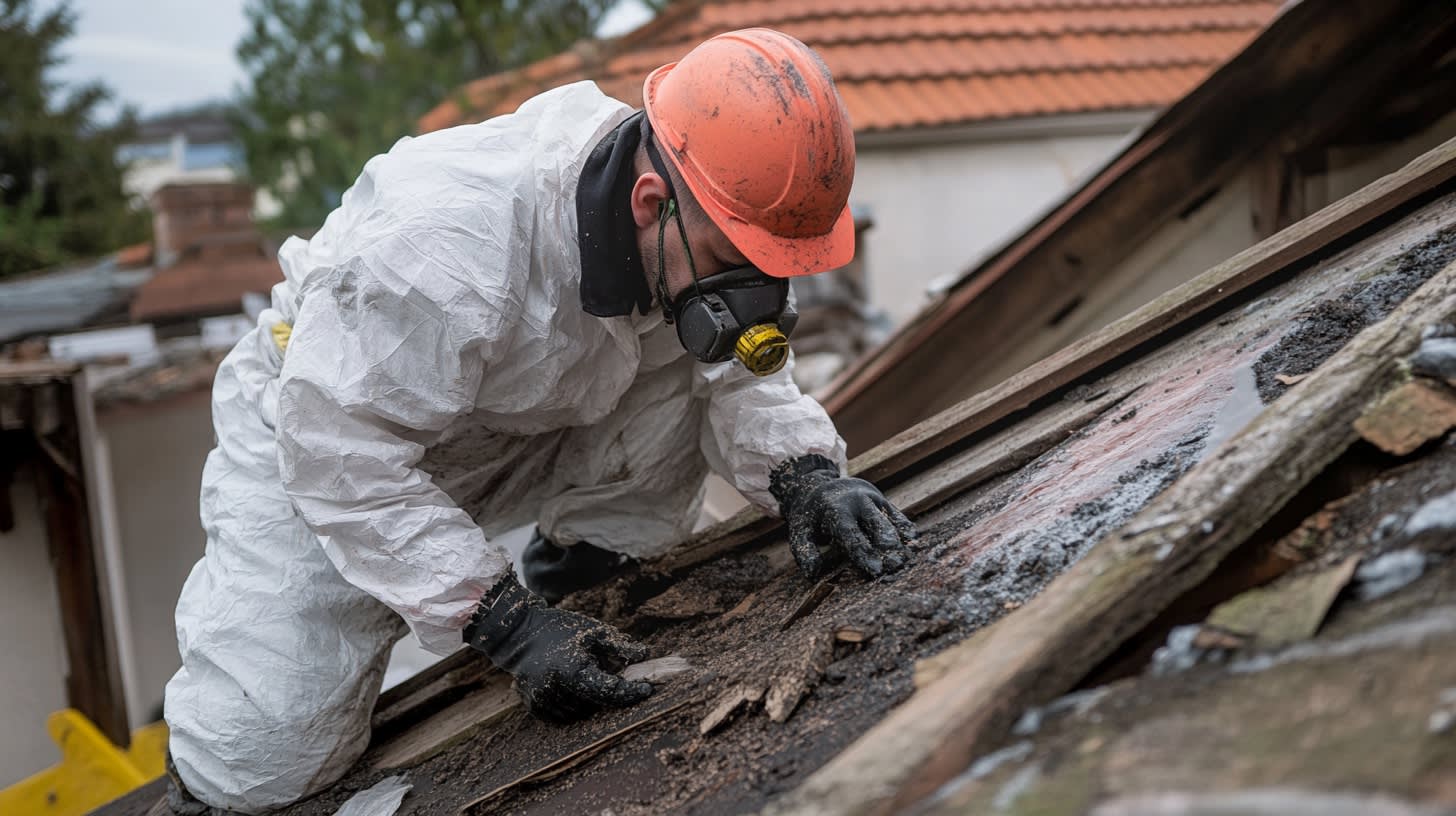
Asbestos is a naturally occurring mineral that was once widely used in building materials for its heat resistance and strength. However, over the years, it has become clear that exposure to asbestos fibers can lead to serious health issues. For property owners, whether residential or commercial, ensuring that your property is free from asbestos is essential for the health and safety of all occupants. One of the most effective ways to achieve this is by conducting an Asbestos Survey.
The presence of asbestos in buildings built before the 1980s is more common than many realize. It can be found in insulation, floor tiles, roofing, plumbing materials, and more. While these materials may appear harmless, any disturbance—such as renovations, pipe repairs, or even aging of the materials—can release asbestos fibers into the air, where they can be inhaled and cause long-term health issues.
An Asbestos Survey is a professional inspection conducted by trained experts who can identify materials that may contain asbestos. The survey involves a detailed examination of the property, focusing on areas where asbestos is most likely to be found. If asbestos is detected, the survey report will outline the condition of the material and suggest the appropriate actions for handling or removal. This is critical because damaged or deteriorating asbestos poses a higher risk of fiber release, making it a potential health hazard for everyone in the building.
One of the most important reasons to schedule an Asbestos Survey is to protect your health. Asbestos exposure can lead to serious diseases, including mesothelioma, lung cancer, and asbestosis. These conditions may take years or even decades to manifest, which is why early detection and intervention are so important. A survey can identify whether there are any immediate risks, allowing you to take the necessary steps to reduce or eliminate exposure.
In addition to health protection, an Asbestos Survey helps you ensure that your property is compliant with local regulations. Many jurisdictions have strict laws regarding the management and removal of asbestos. Property owners are often required to assess their buildings for asbestos, especially if renovation or demolition work is planned. Failing to comply with these laws can result in hefty fines and legal repercussions. By having an asbestos survey, you not only protect health but also safeguard your investment by ensuring that your property complies with the necessary standards.
For those purchasing or leasing property, an Asbestos Survey is an essential part of the due diligence process. If you are considering buying an older property, it is important to understand if asbestos is present and what the associated risks are. A survey will give you a clear understanding of whether any asbestos remediation is required before you proceed with the purchase or lease. The last thing you want is to face unexpected costs or health risks after committing to a property.
Scheduling an Asbestos Survey is also a smart financial decision. Asbestos removal or management can be costly, but knowing about potential issues upfront allows you to plan accordingly. It gives you a chance to incorporate the costs of asbestos handling into your renovation or restoration plans. This proactive approach can save you money in the long run by preventing costly surprises later.
Ultimately, an asbestos survey offers peace of mind. Whether you’re a homeowner, business owner, or property investor, knowing that your property is safe from the hidden dangers of asbestos is invaluable. It’s an important step to protect the health of everyone who uses the space, whether they are family members, employees, tenants, or customers. The safety and security of your property and its occupants should always be a top priority, and scheduling an Asbestos Survey is the first step in that process.